
**Title: 10 Essential Pest Control Tips for Beginners**
**Introduction:**
Pest infestations can be a huge nuisance for homeowners, causing damage to property and posing health risks. As a beginner in pest control, it’s essential to understand the strategies and techniques to effectively manage and prevent pests in your home. In this guide, we will discuss ten comprehensive pest control tips that every beginner should know to maintain a pest-free environment.
**1. Identify Common Pests:**
Before implementing any pest control measures, it’s crucial to identify the common pests that may invade your home. Some of the most common household pests include ants, cockroaches, rodents, termites, and spiders. By knowing the specific pests you are dealing with, you can choose the most appropriate control methods.
**2. Maintain Cleanliness:**
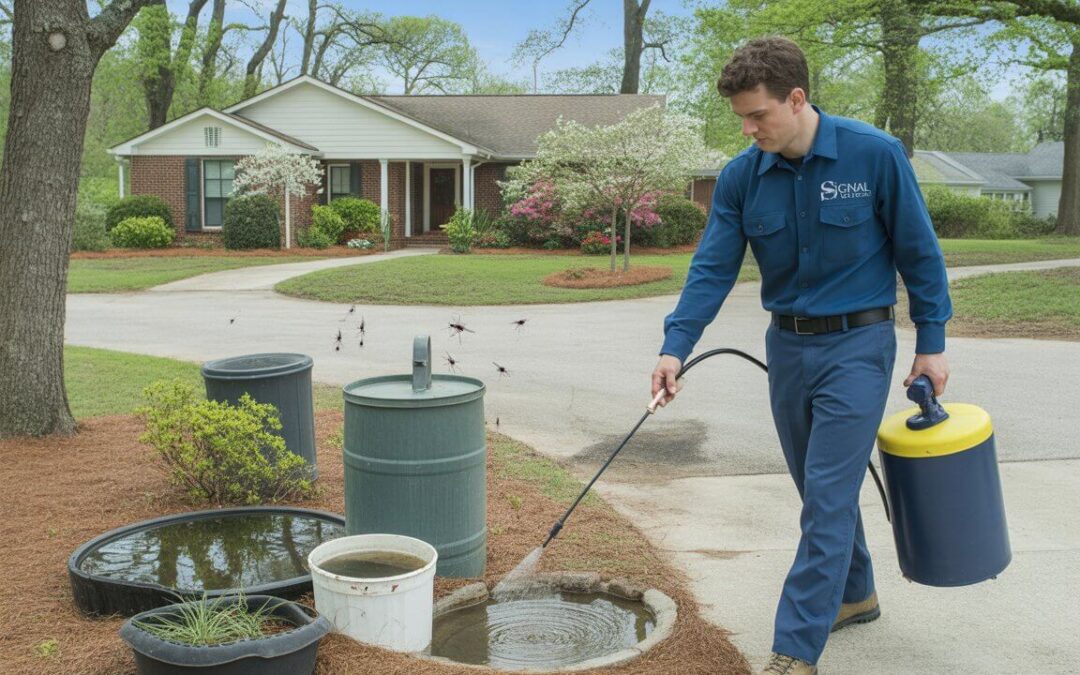
One of the most effective ways to prevent pest infestations is to maintain a clean and clutter-free home. Pests are attracted to food crumbs, standing water, and cluttered areas where they can hide and breed. Regularly clean your kitchen, seal food containers, and eliminate any standing water sources to deter pests from entering your home.
**3. Seal Entry Points:**
Pests can enter your home through tiny cracks and openings in walls, windows, and doors. Inspect your home for potential entry points and seal them using caulk or weather stripping. By preventing pests from entering your home in the first place, you can significantly reduce the chances of an infestation.
**4. Use Natural Repellents:**
Instead of relying on harsh chemicals, consider using natural repellents to deter pests. For example, peppermint oil is known to repel spiders, while vinegar can help keep ants away. Planting herbs like basil and lavender around your home can also discourage pests from settling in.
**5. Dispose of Trash Properly:**
Proper waste management is essential in preventing pest infestations. Make sure to dispose of trash regularly in sealed bins and keep outdoor trash cans away from your home. Rotting food and garbage can attract pests, so maintaining good sanitation practices is key.
**6. Implement Integrated Pest Management (IPM):**
Integrated Pest Management is a holistic approach to pest control that focuses on prevention, monitoring, and control. By combining multiple strategies such as sanitation, exclusion, and biological control, you can effectively manage pests without relying solely on pesticides.
**7. Monitor Pest Activity:**
Regularly monitor your home for signs of pest activity, such as droppings, chewed wires, or gnaw marks. Early detection of pests can help you take immediate action before the infestation becomes severe. Set up traps or use pheromone baits to track pest movements.
**8. Consult with Professionals:**
If you’re dealing with a persistent pest problem that you can’t manage on your own, don’t hesitate to seek help from professional pest control services. Experienced pest control technicians have the knowledge and tools to effectively eradicate pests from your home and prevent future infestations.
**9. Store Firewood Properly:**
If you have a fireplace or wood-burning stove, store firewood at least 20 feet away from your home. Pests like termites and ants are attracted to wood piles and can easily make their way into your home if the firewood is stored nearby.
**10. Regularly Inspect Your Home:**
To maintain a pest-free environment, it’s essential to conduct regular inspections of your home’s interior and exterior. Look for signs of pest activity, leaks, and structural damage that may attract pests. By staying proactive and vigilant, you can prevent pest infestations before they become a major problem.
**Conclusion:**
By following these ten essential pest control tips for beginners, you can effectively manage pests in your home and create a healthy living environment for you and your family. Remember that prevention is key in pest control, so implementing these strategies consistently will help you keep pests at bay and protect your home from infestations.