
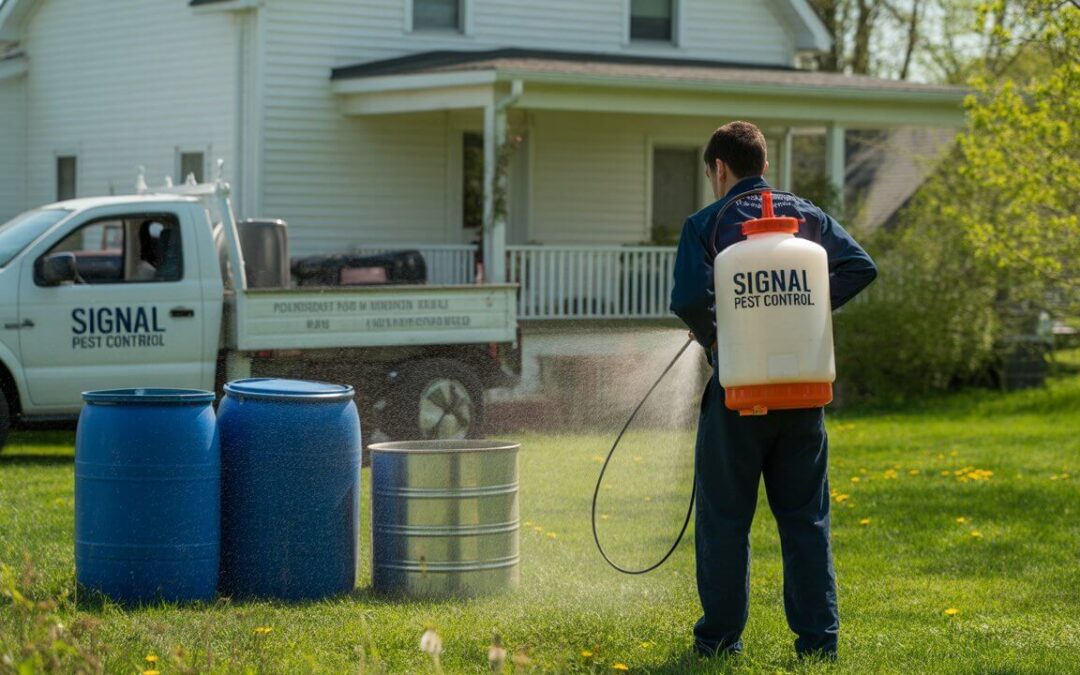
Landscaping is an essential aspect of home and garden design that not only enhances the aesthetic appeal of a property but also increases its value. This comprehensive guide will explore various landscaping techniques, styles, and tips to help you create a beautiful outdoor environment. Whether you are a novice gardener or a seasoned landscape designer, this guide will provide valuable insights into the world of landscaping.
Understanding Landscaping
Landscaping involves the planning, design, and implementation of outdoor spaces to create visually appealing and functional areas. It encompasses various elements, including plants, hardscapes, water features, and more. The primary objective of landscaping is to improve the overall appearance of a space while considering the environmental impact and maintenance requirements.
The Importance of Landscaping
Investing in landscaping can significantly enhance the value of your property. A well-designed landscape can increase curb appeal, provide functional outdoor spaces, and promote relaxation and enjoyment. Additionally, landscaping can help manage soil erosion, improve air quality, and provide habitats for wildlife. Understanding these benefits can motivate homeowners to prioritize landscaping in their property improvement plans.
Types of Landscaping
- Residential Landscaping: Focused on enhancing the beauty and functionality of home gardens and yards.
- Commercial Landscaping: Aimed at creating attractive outdoor spaces for businesses, including parks and office complexes.
- Environmental Landscaping: Utilizes sustainable practices to promote ecological health and reduce environmental impact.
Planning Your Landscape
Effective landscaping begins with careful planning. Before diving into the design, it is essential to assess your property and define your goals. Consider factors such as climate, soil type, and existing vegetation, as these will influence your landscaping choices. Additionally, think about how you want to use the space—whether for entertaining, gardening, or simply enjoying nature.
Creating a Landscape Design
A landscape design should incorporate both aesthetics and functionality. Start by sketching a layout that includes areas for planting, pathways, and any desired features such as patios or water elements. Use design software or consult with a landscape architect if needed. Remember to choose plants that thrive in your climate and complement each other in terms of color, texture, and height.
Factors to Consider in Design
- Sunlight: Assess how much sunlight each area receives throughout the day.
- Water Access: Plan for irrigation systems or natural water sources for your plants.
- Soil Quality: Test and amend your soil to ensure it supports healthy plant growth.
Choosing Plants for Your Landscape
The selection of plants is a critical component of landscaping. Choose plants that not only suit your design but are also appropriate for your climate, soil type, and maintenance capabilities. Native plants are often a great choice, as they are adapted to local conditions and require less water and care.
Plant Types and Their Uses
Consider incorporating a variety of plant types in your landscape design:
- Trees: Provide shade, structure, and visual interest.
- Shrubs: Offer privacy and can act as natural barriers.
- Flowers: Add color and attract pollinators.
- Ground Covers: Help prevent soil erosion and fill empty spaces.
Seasonal Considerations
When selecting plants, consider how they will perform throughout the seasons. Choose a mix of perennials and annuals to ensure year-round color and interest. Additionally, incorporate evergreen plants to maintain greenery during winter months. Planning for seasonal changes will create a dynamic landscape that evolves throughout the year.
Hardscaping: The Structural Elements
Hardscaping refers to the non-plant elements of landscaping, such as patios, walkways, and retaining walls. These features can enhance the functionality of your outdoor space while providing contrast to the soft elements of your landscape design. Thoughtful hardscaping can create inviting areas for relaxation and entertainment.
Materials for Hardscaping
When selecting materials for hardscaping, consider durability, aesthetics, and maintenance requirements. Common materials include:
- Natural Stone: Offers a timeless look and is very durable.
- Pavers: Available in various colors and shapes for customizable designs.
- Concrete: A versatile and cost-effective option for various applications.
Incorporating Hardscaping Features
Hardscaping elements can serve multiple purposes. For example, a patio can act as an outdoor dining area, while pathways provide safe navigation through your garden. Additionally, walls can help with soil retention and create level areas for planting. Consider how each hardscaping feature will enhance your landscape’s overall functionality.
Maintenance of Your Landscape
Once your landscaping is complete, regular maintenance is crucial to keep it looking its best. Maintenance tasks may include watering, pruning, mulching, and pest control. Establishing a maintenance routine can help prevent issues and ensure that your landscape thrives over time.
Seasonal Maintenance Tasks
Different seasons require different maintenance tasks:
- Spring: Fertilize, prune, and prepare beds for planting.
- Summer: Water regularly and control weeds and pests.
- Fall: Rake leaves, plant bulbs for spring blooms, and prepare plants for winter.
- Winter: Protect vulnerable plants and plan for spring improvements.
Hiring Professionals vs. DIY
Determining whether to handle landscaping on your own or hire professionals depends on your expertise, budget, and the scope of the project. For extensive landscaping endeavors, consulting with landscape architects or designers may be beneficial. However, smaller projects can often be completed by enthusiastic DIYers.
Conclusion
Landscaping is a rewarding endeavor that can transform your outdoor space into a beautiful and functional area. By understanding the fundamentals of landscaping, planning effectively, choosing the right plants, incorporating hardscaping elements, and maintaining your landscape, you can create an outdoor oasis that enhances your property’s value and your quality of life. Whether you choose to DIY or enlist the help of professionals, the results will undoubtedly be worth the effort.