
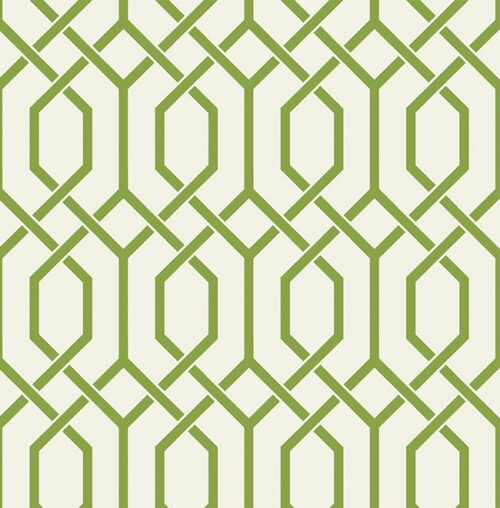
Choosing the right designer wallpaper can transform your space and elevate your interior design to a new level. Whether you’re a beginner or an experienced decorator, understanding the nuances of designer wallpaper can significantly impact the outcome. In this article, we’ll explore 10 essential tips that will guide you through selecting and using designer wallpaper effectively.
Understanding the Basics of Designer Wallpaper
Before diving into patterns and colors, it’s crucial to understand what designer wallpaper is and what sets it apart from regular wallpaper. Designer wallpaper is crafted by artists and designers, offering unique patterns and high-quality materials. These wallpapers are often limited edition, which adds an element of exclusivity to your decor.
Subsection
Choosing designer wallpaper involves considering factors such as durability, ease of installation, and maintenance. By understanding these basics, you can make informed decisions that align with your style and practical needs.
Choosing the Right Pattern
The pattern is a defining characteristic of designer wallpaper. Selecting the right one can complement your furniture and overall aesthetic. Consider the size of the room and the amount of natural light it receives. Large patterns can make a space feel smaller, while smaller, subtle designs can open it up.
Subsection
For beginners, it’s advisable to start with classic patterns such as stripes, florals, or geometric designs. These patterns are versatile and can fit into various decor themes, making them a safe yet stylish choice.
Playing with Colors
Color is another critical aspect of designer wallpaper. It can set the mood of a room and tie together different elements of your decor. When selecting colors, think about the purpose of the room. Warm colors like reds and oranges can create an energetic atmosphere, while cool colors like blues and greens promote relaxation.
Subsection
Don’t shy away from bold colors if they resonate with your personal style. Designer wallpaper offers a unique opportunity to incorporate vibrant hues that might not be available in standard wallpaper options.
Measuring Your Space
Accurate measurements are essential to avoid wastage and ensure a seamless installation of your designer wallpaper. Measure the height and width of each wall, accounting for windows and doors. This will help you determine the total square footage required.
Subsection
Once you have your measurements, consult with the wallpaper supplier to understand how much extra material you might need for pattern matching and trimming.
Preparing Your Walls
Proper wall preparation is key to achieving a smooth finish with designer wallpaper. Ensure that your walls are clean, dry, and free from any imperfections. Fill in any cracks or holes and sand the surface to create an even base.
Subsection
For best results, apply a primer to the walls before installation. This will help the wallpaper adhere better and extend its lifespan.
Installation Techniques
Installing designer wallpaper can be a daunting task for beginners, but with the right techniques, it can be manageable. Start by cutting the wallpaper into strips, leaving a few extra inches at the top and bottom for adjustments.
Subsection
Use a wallpaper brush or smoothing tool to eliminate air bubbles as you apply each strip. Ensure that the patterns align perfectly for a professional look.
Maintenance Tips
Maintaining your designer wallpaper is crucial to preserving its beauty and longevity. Regularly dust the surface with a soft cloth to prevent dirt buildup. For more stubborn stains, use a damp sponge and mild soap solution.
Subsection
It’s important to avoid abrasive cleaners as they can damage the wallpaper’s finish. By following these maintenance tips, your wallpaper will remain vibrant and fresh over time.
Exploring Different Materials
Designer wallpaper comes in various materials, each offering distinct advantages. Vinyl wallpaper is durable and easy to clean, making it ideal for high-traffic areas. Fabric wallpaper, on the other hand, offers a luxurious texture and is perfect for creating a sophisticated ambiance.
Subsection
Consider the function of the room when selecting the material. For example, moisture-resistant options are preferable for bathrooms and kitchens.
Budgeting for Designer Wallpaper
Investing in designer wallpaper can be costly, but it is a worthwhile expense given the quality and aesthetic it brings. Set a realistic budget by considering the cost per roll and any additional expenses for installation and maintenance.
Subsection
Compare prices from different suppliers and look for sales or discounts. This can help you achieve a high-end look without exceeding your budget.
Hiring a Professional vs. DIY
Deciding whether to hire a professional or tackle the installation yourself depends on your skill level and the complexity of the project. Professionals have the expertise to handle challenging patterns and materials, ensuring a flawless finish.
Subsection
If you opt for a DIY approach, take your time to research and practice. There are plenty of resources and tutorials available to guide you through the process.
In conclusion, designer wallpaper is a powerful tool in interior design, offering endless possibilities for creativity and personalization. By following these tips, even beginners can successfully incorporate designer wallpaper into their homes, creating spaces that are both beautiful and unique.